Miami and Miami-Dade Mayors Split Over Plan for Two Giant Billboards at Arsht Center
A county-backed proposal to put two 1,800-square-foot digital signs above Biscayne Boulevard has pitted Miami-Dade Mayor Daniella Levine Cava against Miami Mayor Eileen Higgins, her political ally.
By Miguel Hernandez ·
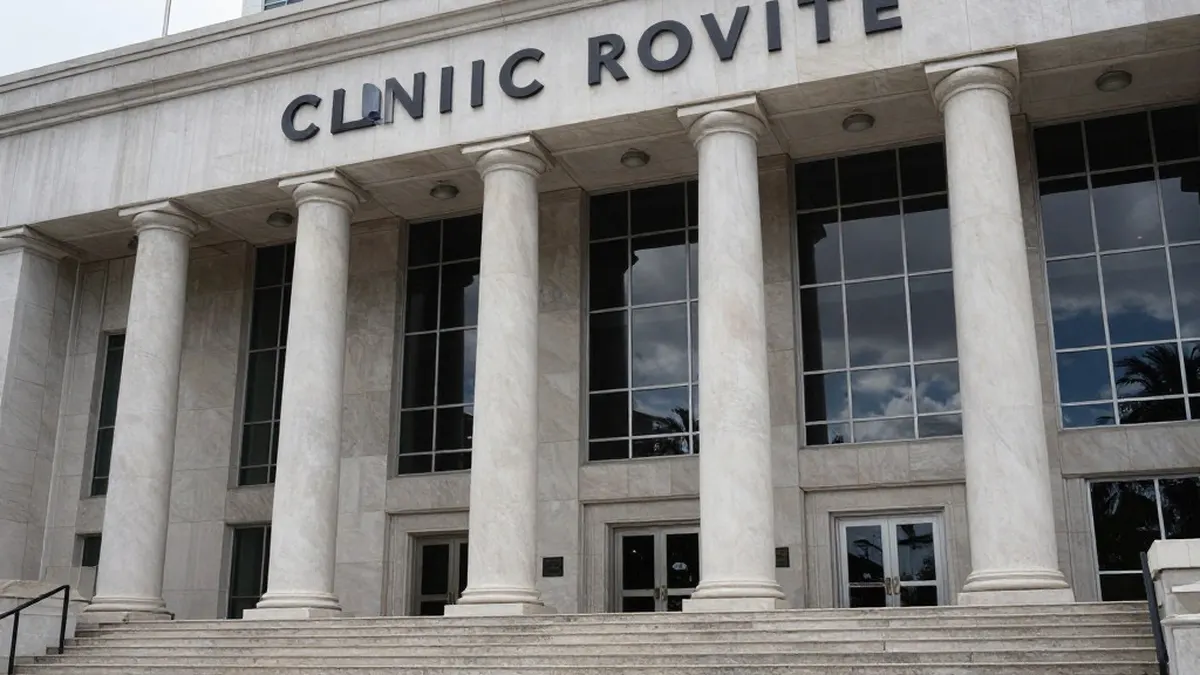
A proposal to install two large digital billboards outside the Adrienne Arsht Center has opened an unexpected rift between two of South Florida's most prominent elected officials, who were on the same side of the issue not long ago.
Miami-Dade County Mayor Daniella Levine Cava now supports letting the downtown performing arts center put up the signs to bring in advertising revenue. Miami Mayor Eileen Higgins, who has long fought oversized electronic billboards, remains opposed and has cited concerns about light pollution. The Miami Herald reported that Levine Cava has reversed her earlier stance on the project.
The plan calls for two digital billboards of 1,800 square feet each, mounted 120 feet above Biscayne Boulevard near Interstate 395. They would carry advertisements and promote Arsht Center performances and events. County documents indicate the signs could generate at least $1 million a year for the nonprofit institution, according to the Herald.
Levine Cava has described the center as an important cultural institution and told the Herald the added income would help diversify its funding. Cultural leaders and supporters see advertising as a way to pay for performances, education and community programming. Arsht Center CEO Johann Zietsman has defended the project as support for the center's free programming and educational efforts, which the center says reach about 80,000 students a year.
The disagreement is notable because the two mayors have been allies. Levine Cava endorsed Higgins in her successful 2025 mayoral campaign, and the two have aligned on environmental, transit and other issues. In 2024, when Higgins sat on the Miami-Dade County Commission, they worked together to stop an earlier version of the billboard plan. Neither mayor's office responded to New Times' requests for comment.
The dispute also turns on who has the power to decide. The Arsht Center first sought approval through Miami's zoning process, the route the nearby Pérez Art Museum Miami (PAMM) took for its own digital billboard. But the county owns the Arsht Center property, and at Levine Cava's direction it is now moving the proposal through its own approval process. County commissioners could authorize the signs as improvements to a county facility in a transit zoning district, potentially without approval from Miami officials. A county commission hearing set for October 6 was canceled with no public explanation, according to the Herald, and commission approval is still required.
The fight follows a similar one over PAMM's 1,800-square-foot billboard, installed in 2024 roughly 800 feet from the proposed Arsht Center site. Residents and officials criticized it as adding to visual clutter and light pollution, while supporters pointed to revenue for the museum and promotion of its exhibitions. Miami commissioners approved a settlement in September 2026 that lets the sign stay, requires PAMM to pay the city at least $500,000 a year and requires the display to go dark after 11 p.m.
Under the Arsht Center's proposed rules, ads would change no more often than every eight seconds, and the screens would switch to a static logo after midnight. Miami Commissioner Damian Pardo, who represents downtown and opposed the PAMM sign, has also criticized the Arsht plan, and neighborhood advocates have raised concerns about the growing number of illuminated screens along Biscayne Boulevard.
If approved, the stretch could host three enormous electronic displays. For now the Arsht Center's billboards remain unapproved, but the dispute has raised the question of how much control Miami has over development on county-owned property within its borders.
Originally published by News Media House · Source: Miami New Times